Basements are where Michigan claims get complicated
Basements are nearly universal in the Lower Peninsula, and many hold finished family rooms, laundry, furnaces, freezers and decades of stored belongings. When heavy rain overwhelms storm and sanitary sewers, water comes up through floor drains and toilets, and a finished basement can be ruined in an hour. That is when many homeowners first learn how their policy treats water, and how many gaps there can be.
This guide explains the main coverage categories in general terms. Policy wording varies a lot, so read yours closely. It isn’t legal advice.
Lessons from 2014 and 2021
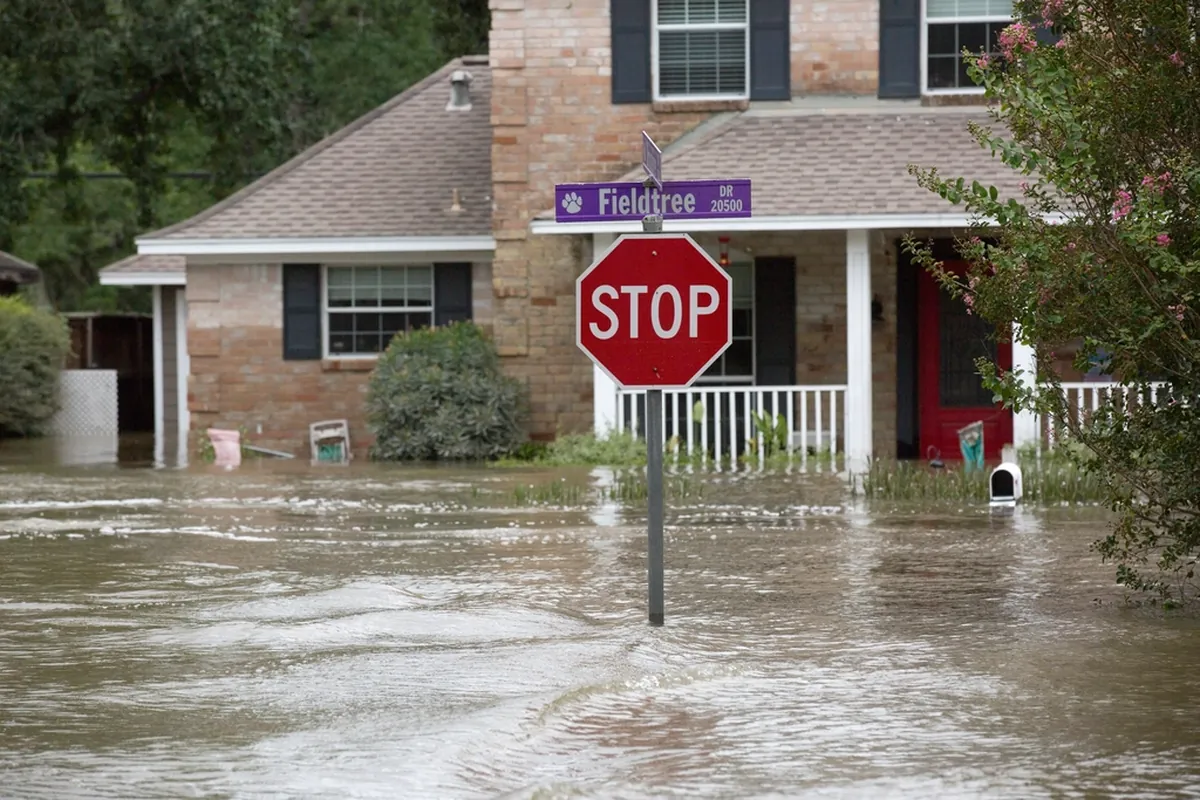
On August 11, 2014, intense rain flooded metro Detroit, swamping freeways around I-696 and filling basements in communities such as Warren and Royal Oak. In late June 2021, another round of extreme rain hit the Detroit area, closing freeways including I-94 and filling thousands of basements. In both events, many homeowners discovered they had little or no coverage for the water in their basements, or a backup sublimit far below the actual damage.
The two events left a practical lesson: the cause of the water and the endorsements on your policy decide almost everything.
Three ways water gets in, three different coverage answers
Sewer and drain backup
Water that backs up through a sewer line, floor drain or sump pump failure is usually excluded from a standard homeowner policy unless you’ve added a sewer and drain backup endorsement. That endorsement often carries its own sublimit, such as $5,000, $10,000 or $25,000, and sometimes a separate deductible. A fully finished basement can easily exceed a low sublimit.
Flood
Flood, meaning a general overflow of water onto normally dry land, is excluded from standard homeowner policies. Flood coverage typically comes from a separate flood policy, such as one through the National Flood Insurance Program or a private flood carrier. Flood policies often limit what they cover in basements, so finished walls and many contents may not be included even with flood coverage.
Surface water
Rain or snowmelt that runs across the ground and seeps through foundation walls or window wells is usually treated as surface water and excluded along with flood. This is where many disputes start: was the water a backup through the drain, which the endorsement may cover, or seepage through the walls, which it likely doesn’t?
Common gaps and disputes
- Low sublimits: a $5,000 backup sublimit against a finished basement with carpet, drywall, a bar and furniture.
- Mixed causes: water from both a floor drain and a wall, with the insurer covering only part.
- Contents valuation: stored items valued at actual cash value with heavy depreciation.
- Drywall height: estimates that cut drywall at 2 feet when water wicked higher or contamination requires more removal.
- Sanitary water: sewage backup calls for more cleaning, disinfection and removal than clean water, and estimates sometimes treat it like clean water.
- Mitigation costs: extraction, drying equipment and antimicrobial treatment that get trimmed or disputed.
How sublimits and appraisal interact
Appraisal can settle the amount of loss, but it can’t raise a sublimit. In an illustrative example, if a sewer backup causes $28,000 in damage and the endorsement limit is $10,000, an award of $28,000 still leaves the payment capped at $10,000. Appraisal is most valuable when the insurer’s estimate is below the limit, or when part of the damage falls under a different coverage part without the same cap. Ask whether your mitigation costs or certain contents may be treated differently under your policy.
Documenting a basement loss
- Photograph and video the water level, the drain or source, and every room before cleanup starts.
- Note whether the water was clear, gray or sewage.
- Keep samples or photos of damaged flooring, drywall and pad.
- List contents room by room, with age and approximate cost.
- Save mitigation company reports, moisture logs and invoices.
- Get a plumber’s written note on the cause if possible.
Our water and sewer backup appraisal page explains how we value these losses, and our contents appraisal service covers personal property disputes.
Check your policy before the next storm
Pull your declarations page and look for a sewer or water backup endorsement and its limit. Compare that limit to what it would cost to replace your basement finishes and contents. If the number looks thin, talk with your agent about higher limits or a separate flood policy. Michigan’s FAIR Plan, the MBPIA, and voluntary-market insurers both offer forms with different water provisions, so it pays to compare.
If your claim is underpaid
When the insurer accepts a backup claim but the estimate misses items or undervalues the work, appraisal may close the gap up to the applicable limit. If payment is late, MCL 500.2006 provides for 12% annual penalty interest on certain claims not paid on time, though it depends on the facts. For a Detroit-area basement claim or anywhere else in the state, a free review can tell you whether appraisal makes sense.