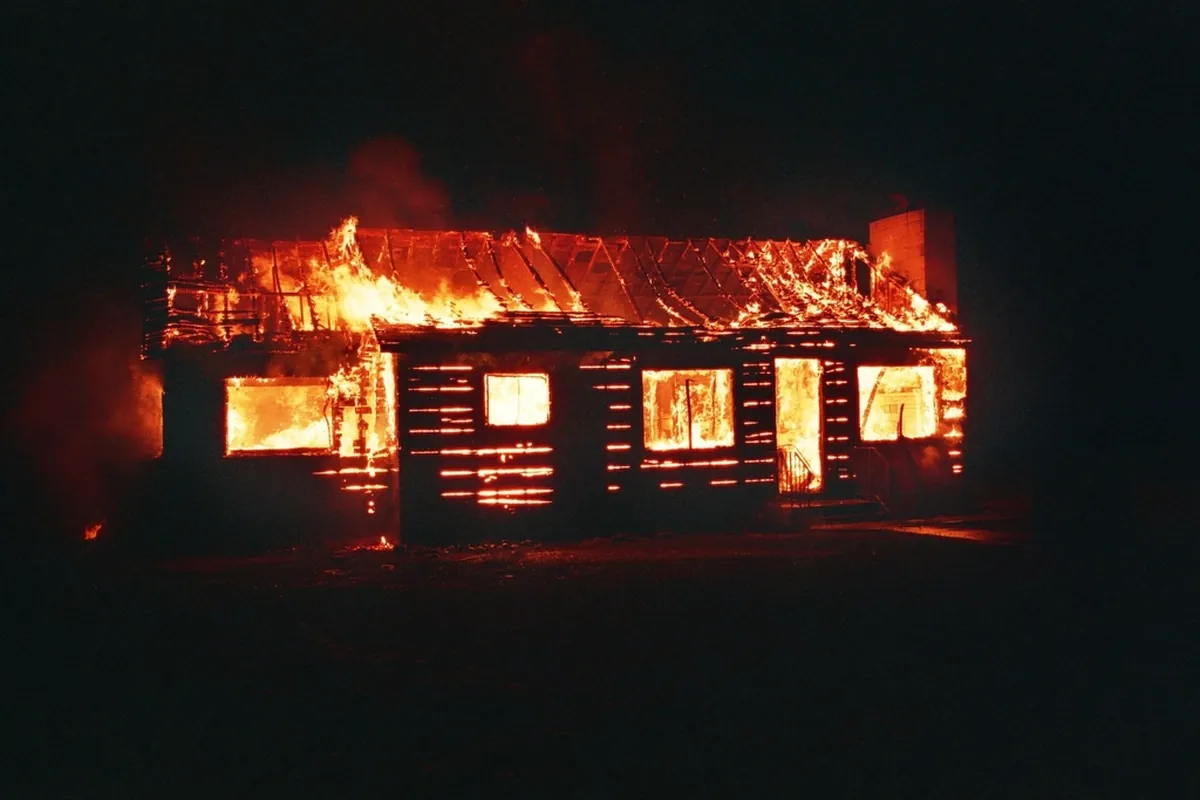
Fire losses are rarely just about the burned room
A kitchen fire that stays on the stovetop can still push soot through every room of a house. A garage fire can damage the attached home’s framing, wiring and roof structure. A total loss raises a different set of questions: what it really costs to rebuild a Michigan home today, to current code, with contractors who may already be booked. Fire claims tend to be large, technical and emotionally exhausting, which is why disagreements over the amount of loss are common.
Smoke and soot: the scope that gets cut
Smoke residue travels through HVAC ducts, wall cavities and attic spaces. Odor can linger in insulation, carpet pad and porous framing. Common points of disagreement include:
- whether walls and ceilings can be cleaned and sealed or need replacement;
- whether the HVAC system needs cleaning or replacement after soot exposure;
- how many rooms are affected beyond the point of origin;
- whether insulation and attic framing need treatment;
- whether contents can be cleaned or are a total loss.
Rebuilding after a major fire
Code upgrades
Michigan’s residential code has changed over the decades. Rebuilding an older home often means updated electrical service, smoke and carbon monoxide alarms, energy code insulation and other upgrades. Ordinance or law coverage, if included, pays for some of these costs, often up to a set percentage of the dwelling limit.
Demolition and debris removal
Tearing out a fire-damaged structure and hauling it away is expensive. Policies may include debris removal within the dwelling limit, add a separate amount, or both. How these are applied can change the final number.
ACV versus RCV
Most replacement cost policies pay actual cash value first, then release the holdback after repairs or rebuilding. Policies may set a time limit to complete the work. The RCV and ACV holdback calculator helps you see the gap.
Additional living expense
A fire often means months out of the house. Loss of use or additional living expense coverage pays reasonable extra costs above your normal living expenses. Disagreements over these amounts can be part of appraisal if the policy allows.
How we help
We review the cause-and-origin report if one exists, the insurer’s estimate, any contents inventory and the policy. We inspect what remains and build a rebuild estimate based on current Michigan construction costs, then work through differences with the insurer’s appraiser and, if needed, the umpire. If you’re in the Saginaw Valley, our Saginaw page has local details. For a sense of how appraisal fits next to other options, see appraiser, public adjuster or attorney? Damaged belongings can be handled through our contents appraisal service. We are independent appraisers and don’t act as public adjusters or give legal advice.
Frequently asked questions
Can smoke damage be part of an appraisal even without flames in that room?
Yes. Smoke and soot spread well beyond the point of origin, and the extent of affected areas is a common appraisal issue when coverage is accepted.
Does appraisal cover code upgrade costs after a fire?
Appraisal can value code-required work, but payment depends on whether your policy includes ordinance or law coverage and its limit.
Should I wait to demolish a fire-damaged house?
Give the insurer a chance to inspect and document everything thoroughly before demolition. Safety orders from local officials may also affect timing.