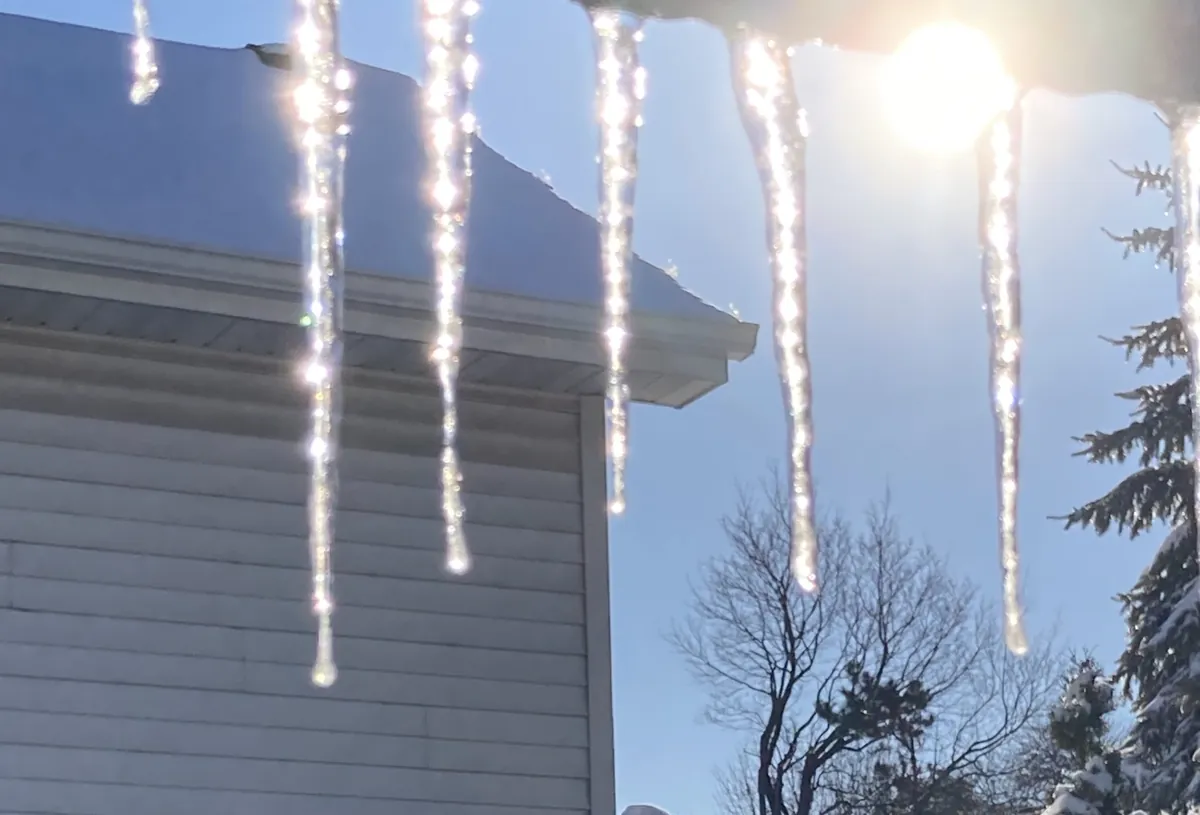
Why Michigan winters produce so many ice dam claims
Ice dams form when heat escaping through the roof melts snow, and the water refreezes at the colder eaves. The ridge of ice traps more meltwater, which backs up under shingles and into walls and ceilings. Michigan’s lake-effect snow belts, from the west Michigan lakeshore to the Keweenaw and Marquette areas, see heavy, persistent snowpack that makes the problem worse. So do older homes with minimal attic insulation, complex rooflines and recessed lights cut into top-floor ceilings.
Frozen pipes are the other half of the winter story. During the late-January 2019 polar vortex, extreme cold froze lines in exterior walls, crawlspaces and unheated garages across the state. When those pipes thaw and split, water can run for hours before anyone notices.
The arguments insurers often raise
“It’s a maintenance issue”
Ice dam claims are frequently met with wear-and-tear, maintenance or inadequate insulation arguments. Some policies contain specific language about ice dams, freezing or continuous seepage. Whether a loss is covered is not something appraisal decides, but where coverage is accepted, the scope and price of the repair are often disputed.
“Only the visible stain”
An estimate that paints a ceiling stain may ignore wet insulation, saturated drywall inside the wall cavity, swollen trim and hidden mold growth. Moisture readings and thermal imaging help show the true extent.
Freezing limits for vacant or unheated homes
Many policies limit freeze coverage if the home wasn’t heated or the water wasn’t shut off and drained. This matters for cottages and cabins up north that sit empty in winter. Read your policy’s conditions carefully, and if you own a seasonal property, check whether the insurer requires periodic inspections, a minimum thermostat setting or a drained plumbing system while it sits empty.
What a full scope often includes
- removal and replacement of saturated drywall and insulation, not just the stained patch;
- roof repairs at the eaves, including ice-and-water shield where code requires it;
- interior trim, flooring and cabinetry affected by water;
- drying equipment, monitoring and any mold remediation;
- contents damage in the affected rooms.
Matching is another frequent issue. A ceiling patched in one room may not blend with adjacent areas, and flooring that runs continuously through several rooms may need more than a single section replaced.
Learn more and estimate your exposure
Our ice dam claims guide goes deeper on policy language and documentation. The ice dam risk and cost estimator gives a rough sense of repair ranges. If you’re in the Upper Peninsula, our Marquette page covers local conditions. We are independent appraisers, not attorneys or public adjusters, and we don’t give legal advice.
Frequently asked questions
Is ice dam damage covered by Michigan homeowner policies?
It depends on your policy wording. Many policies cover sudden water damage from ice dams but exclude wear, maintenance or long-term seepage, so read your policy and ask your agent.
My cottage pipes froze while it was empty. Can appraisal help?
Only if the insurer accepts coverage. Many policies limit freeze losses at unheated or unattended homes, and that coverage question is outside appraisal.
Why does the insurer’s estimate only cover the ceiling stain?
Initial estimates often miss water inside walls and insulation. Moisture readings and thermal imaging can document hidden damage for the appraisal panel.